Little Cat Face Graphics and Illustrations Review
I recently received a request from a client launching a boutique line of handmade organic soaps. They wanted a visual identity that felt approachable, warm, and distinctly playful without sacrificing professionalism. During the initial mood board phase, I needed a central character element that could anchor their brand identity while remaining versatile enough for packaging, social media graphics, and merchandise. That is when Little Cat Face caught my eye as a potential hero asset for this project.
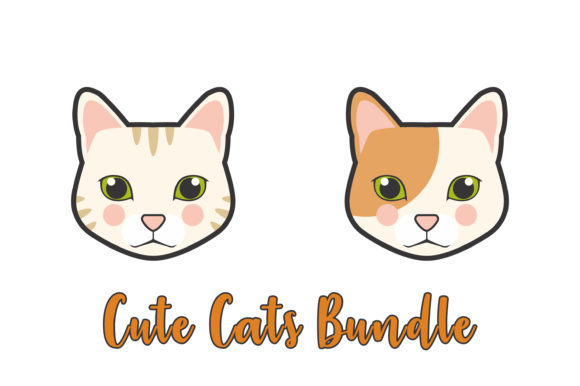
This little creature with fluffy white fur is so adorable that I made the graphic cat face. Vector graphic design, with simple colors for a unique and funny t-shirt, suitable also for other media such as digital products and print-on-demand items. But beyond the description, what matters to me as a designer is how it translates into real-world application. Let's dive into whether this illustration can stand up to commercial demands.
The First Impression: Mood and Style Analysis
When you first look at Little Cat Face, the immediate feeling is one of gentle whimsy. The fluffy white fur creates a soft texture that invites touch, even though it is purely digital. For a brand owner looking to humanize their business, this asset does exactly that. It bridges the gap between corporate polish and the cozy aesthetic of a handmade business. The style leans heavily into modern design principles by keeping the lines clean and the color palette simple, which prevents the image from looking dated or cluttered.
In terms of visual hierarchy, the simplicity is its greatest strength. Unlike complex illustrations that demand attention everywhere, this character allows the viewer to focus on the core message. Whether used in an editorial design layout or as a decorative accent on a flyer, it adds emotional appeal without overwhelming the typography. This balance is crucial for marketing visuals where readability often competes with imagery.
Real-World Application: From Logo to Packaging
I have tested various design assets in client projects, and versatility is the key metric for success. Little Cat Face performs exceptionally well across multiple mediums. For a small business branding package, this illustration serves as an excellent foundation for a logo design. Its rounded features translate well into vector formats, making it scalable for everything from a favicon to a storefront sign.
Consider the possibilities for product mockups. Imagine this character printed on a tote bag, a ceramic mug, or a sticker design for a local event. Because it is a vector graphic design, the edges remain crisp regardless of size. For print-on-demand sellers, this is a game-changer. You can easily integrate it into sublimation designs for custom apparel or use it as a primary graphic for printable wall art. The asset fits naturally into a design bundle intended for Etsy product listings, where buyers are looking for high-quality, ready-to-use creative design elements.
Social media graphics also benefit from this asset. In an era dominated by Instagram posts and Pinterest pins, having a recognizable mascot helps build brand recognition. Little Cat Face works perfectly as a recurring theme in campaign visuals. You could create a series of Canva templates featuring the cat in different poses or contexts, maintaining consistency while varying the content. This consistency builds trust with your audience, signaling that the brand is reliable and professional.
Strategic Placement: Where It Shines and Where to Pause
While this asset is powerful, a professional designer knows that context is everything. Little Cat Face excels in large layout areas where it can be the hero of the composition. It is ideal for hero graphics on a website homepage or as a central element on a poster or invitation. When placed on a clean background, the fluffy texture pops, creating a delightful focal point.
However, there are scenarios where caution is required. If you are working on a minimalist branding project that relies on stark black-and-white contrast, this asset might feel too busy if not simplified further. Similarly, in crowded layouts with heavy text density, the cat face can compete with the copy, disrupting the visual hierarchy. For professional corporate materials requiring a serious tone, this whimsical character might undermine the desired level of authority. In these cases, it should be used very carefully, perhaps only as a subtle watermark or a tiny icon in the footer.
Another consideration is low-contrast designs. If the background is light gray or pastel, the white fur of the cat may disappear, rendering the graphic invisible. Always test the asset against various background colors to ensure visibility. Furthermore, when scaling down for small sizes like mobile app icons or favicons, the details of the fur might blur. In such instances, a simplified version or a silhouette might be more effective than the full detailed illustration.
Technical Checks Before Commercial Use
Before incorporating Little Cat Face into any final deliverable for a paying client, I always run a specific checklist. First, convert the design to black and white. This ensures that the form holds up without the crutch of color and helps verify that the shape is distinct. Next, preview the asset at both extreme small and large sizes. Does it lose definition? Is it still recognizable?
File format inspection is non-negotiable. Since this is described as a vector graphic design, confirm that you have access to the SVG or AI file. This allows for infinite scalability and easy editing of individual paths. If you are relying on a PNG design, check the transparency edges closely. Are there halos or jagged pixels around the white fur? A clean edge is essential for professional-looking overlays on photos or videos.
Typography pairing is another critical step. I recommend testing Little Cat Face alongside serif fonts for a classic, trustworthy feel, sans serif fonts for a modern, clean look, and script or handwritten fonts to enhance the handmade aesthetic. However, avoid using display fonts that are too loud, as they will clash with the playful nature of the cat. Finally, always review the commercial license. Ensure that the rights cover the specific use case, whether it is for a digital seller, a physical product manufacturer, or a web design project.
Final Verdict for Designers and Creators
For crafters, Cricut users, and digital sellers, Little Cat Face offers a high return on investment. It is a versatile clipart that elevates the perceived value of a project. Whether you are designing a sticker sheet, a t-shirt design, or a complete brand identity, this illustration brings a touch of personality that generic stock images lack.
It is important to remember that good design is about solving problems. If your goal is to create a friendly, engaging, and visually appealing experience for a young or family-oriented audience, this asset delivers. It supports the narrative of a handmade business and enhances the overall impression of a design project. By understanding its strengths and limitations, you can use Little Cat Face to create polished, professional results that resonate with your target market.
In conclusion, this is more than just a cute image; it is a functional graphic design asset that, when used with intention, can transform a standard project into something memorable. For anyone looking to add a layer of charm and character to their creative work, Little Cat Face is a worthy addition to the toolkit.